Snack Tours: Discover What Texans Crave Between Meals
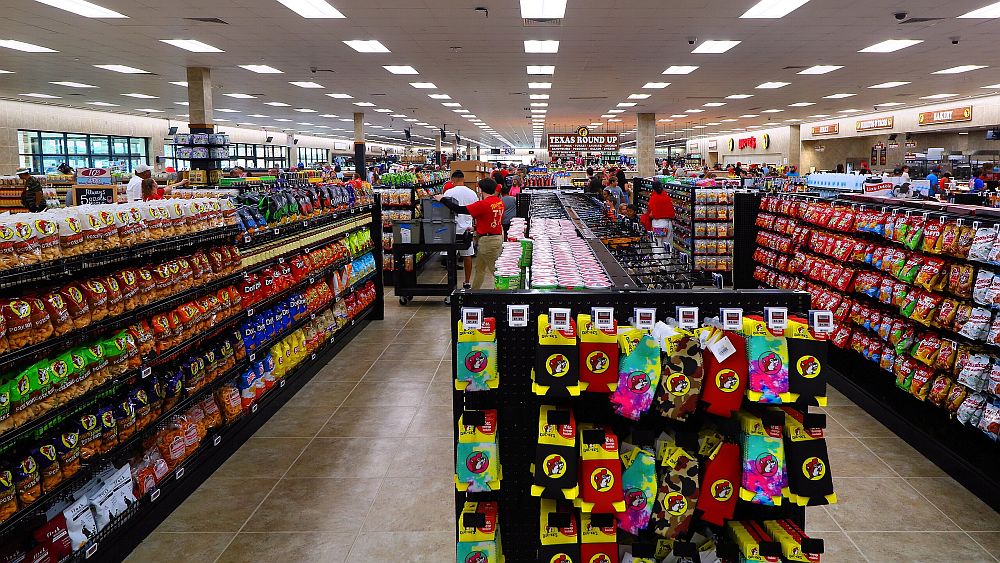
Larry D. Moore, Bucees Interior Luling Texas 2024, CC BY 4.0
Texan snack culture offers a world of flavor between meals. You'll find iconic Frito pies served right in the chip bag, spicy-sweet jalapeño desserts, and addictive Buc-ee's Beaver Nuggets at gas stations across the state.
Don't miss South Texas's cultural fusion snacks or the Czech-inspired kolaches that have evolved into a Texan staple. These between-meal treats reveal how Texan culinary innovation transforms simple ingredients into crave-worthy regional delights.
The Frito Pie Phenomenon: Texas's Beloved Bag Meal
Innovation in its simplest form, the Frito pie stands as a legacy to Texan culinary ingenuity. After C. E. Doolin purchased a corn chip recipe in San Antonio in 1932 and launched what became Fritos, this humble creation later appeared in company cookbooks and popular menus in the 1950s, with Frito-Lay often crediting employee Nell Morris for helping develop and share the recipe.
You'll find this cultural legacy at concession stands during Friday night football games, where the traditional preparation couldn't be simpler: corn chips topped with chili con carne, shredded cheese, and diced white onions—often served directly in the chip bag.
Regional variations abound, with Texas versions typically including cheese and onions, while New Mexico preparations (which claim their own 1960s origin story) often feature red chile with cheddar and onions, famously served in the bag.
The dish became widely associated with being served in a sliced-open Fritos bag in the 1960s, as “in-the-bag” versions spread through snack bars and lunch counters. Whether you call it a walking taco or Frito pie, it remains quintessentially Texan.
Sweet Meets Heat: The Rise of Jalapeño Desserts
While Texans have long embraced savory corn chip creations, they're now satisfying their sweet tooth with an unexpected kick. The star of these candied jalapeño innovations? Cowboy candy—sweet-spicy preserved jalapeños that add dimension to desserts across the Lone Star State.
You'll find these versatile peppers adorning cupcake tops, swirled into chocolate confections, and infused into pastry fillings. Creative bakers are pairing jalapeño's natural heat with cream cheese frostings and caramel for balanced savory sweet dessert pairings that showcase Texas's bold culinary personality. Even when social chatter about jalapeños ebbs and flows, these fiery peppers continue to inspire innovative dessert applications.
Though you can purchase branded versions, most Texans prefer homemade cowboy candy for its superior quality and customizable heat level. This trend capitalizes on jalapeño's enduring popularity while appealing to adventurous eaters seeking complex flavor experiences that defy traditional dessert boundaries.
Buc-ee's Beaver Nuggets and Beyond: Gas Station Gourmet
The humble gas station has evolved into an unlikely culinary destination in Texas, with Buc-ee's leading the charge through its signature Beaver Nuggets. These addictive treats, made from puffed corn coated with a caramelized brown sugar mixture, have transcended their roadside origins to become a cultural identity as a regional treat.
When you bite into Beaver Nuggets, you'll experience:
- A light, airy texture unlike traditional caramel corn
- Sweet caramel flavors with subtle maple undertones
- A crisp crunch that's somehow still fluffy
- A taste that's uniquely Texan in every bite
Their unique marketing appeal lies in positioning gas station fare as gourmet souvenirs worth traveling for. You can even make copycat versions at home by baking puffcorn with a homemade caramel sauce at 250°F for about 45 minutes. The baking soda added to the caramel creates a lighter texture that helps mimic the fluffy crunch fans expect.
Border Bites: South Texas Snack Fusion
South Texas represents a vibrant culinary crossroads where distinct cultural influences have created a snack fusion scene unlike anywhere else in America. You'll discover regional snack origins in Houston's Indo-Pakistani and Tex-Mex food trucks serving samosas alongside tortillas and tacos spiced with Indian flavors. Popular fusion dishes like butter chicken kolaches showcase the innovative blending of Texas and Indian culinary traditions.
In Dallas, Central American pupusas and plantains offer a taste of authentic Hispanic heritage. Austin food trucks blend Puerto Rican and Venezuelan traditions with dietary-conscious options. These multicultural snack blends showcase the region's rich history.
Even classic Tex-Mex favorites reveal surprising heritage—shaped by Tejano home cooking, Mexican regional traditions, and later American influences that developed over centuries in Texas. Near Houston, Venezuelan-American fusion spots serve arepas and tequeños alongside Texan favorites, perfectly capturing South Texas' boundary-crossing culinary innovation.
From Czech to Texan: The Evolution of Kolaches
Deep in the heart of Texas, Czech pastry traditions transformed into something uniquely Texan through the journey of kolaches. When Czech immigrants arrived in the 1850s, they brought these pillowy pastries as symbols of ethnic identity preservation, connecting them to their homeland while adapting to new surroundings. The preparation of kolaches became an essential part of social gatherings in Czech-Texan communities, strengthening cultural bonds through shared culinary practices.
You'll find kolaches evolved dramatically while maintaining their cultural significance:
- Traditional fruit and cheese varieties using local Texas produce
- The beloved "sausage kolache" (technically “klobasniky”) that rose to prominence as savory versions spread statewide
- Sweet versions expanding to include American flavors like pineapple and chocolate
- Savory variations with jalapeños, cheese, and sauerkraut reflecting Texan tastes
This pastry's journey represents changing culinary traditions as it moved from family kitchens to convenience stores and franchises, becoming a beloved snack that's now quintessentially Texan.
Protein-Packed Picks: Texas's Obsession With Jerky and Pork Rinds
While kolaches satisfy Texans' cravings for sweet and savory pastries, another category of snacks has captured the state's protein-hungry palate. Jerky and pork rinds reign supreme in the Lone Star State's protein snack convenience landscape.
You'll find Texas riding the national jerky boom, with some market projections expecting the category to grow significantly by 2035. The popularity continues to grow as jerky offers consumers a high-protein, dried meat snack with exceptional portability and long shelf life. Local manufacturers compete with regional brand dominance from giants like Jack Link's and Slim Jim, while innovating with reduced-sodium options and bold flavors.
Don't overlook pork rinds, Texas's crunchy obsession that perfectly aligns with keto and low-carb lifestyles. These zero-carb treats share counter space with jerky at gas stations and specialty stores alike, reflecting the state's preference for portable protein that powers outdoor adventures and satisfies between-meal hunger.
Communal Cravings: How Texans Share Their Snack Traditions
The heart of Texas culture beats strongest when food brings people together. You'll discover this spirit in the Hispanic phrase "donde comen dos, comen tres" – a philosophy that transforms simple snacking into meaningful community connections.
Tex-Mex cuisine exemplifies this sharing tradition, with family-style dishes designed for communal enjoyment. Throughout the state, you'll find:
- Tamalada parties where generations gather to wrap and share tamales
- Sunday barbacoa gatherings strengthening family bonds through food
- Collaborative catering ventures highlighting multicultural Texas flavors
- Communal cooking classes teaching traditional Tex-Mex recipes
Whether it's passing nachos during football's "5th Quarter" events or joining barbecue competitions, Texans consistently transform snacking into social rituals that preserve culinary heritage while building community connections across cultures and generations.
This commitment to community through food is reflected in initiatives like the Unidos 4 Hope campaign, which ties Hispanic Heritage Month energy to volunteering, fundraising, and food drives that support North Texas hunger relief efforts.