How Oreo Became More Than a Cookie: The Pop Culture Power of Snack Brands
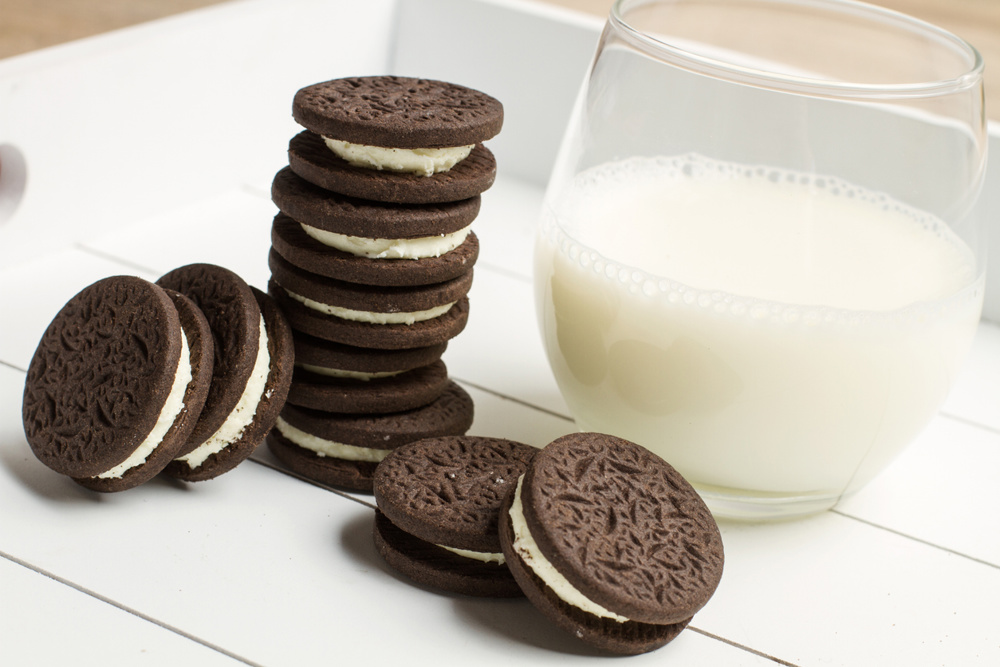
Some brands become household names because they make a good product. Others become part of everyday life because they create memories that last for generations. Oreo belongs in the second category. For more than a century, the iconic sandwich cookie has appeared in lunchboxes, birthday parties, family movie nights, and late-night snacks, transforming a simple treat into a shared cultural experience recognized around the world.
That lasting appeal isn't the result of luck alone. Oreo has balanced tradition with constant reinvention, introducing new flavors, collaborating with major entertainment franchises, embracing social media, and responding to cultural moments in ways that keep the brand feeling both familiar and fresh. Its ability to evolve without losing its identity has helped make Oreo one of the most recognizable snack brands in pop culture.
How 112 Years of History Made Oreo Culturally Untouchable
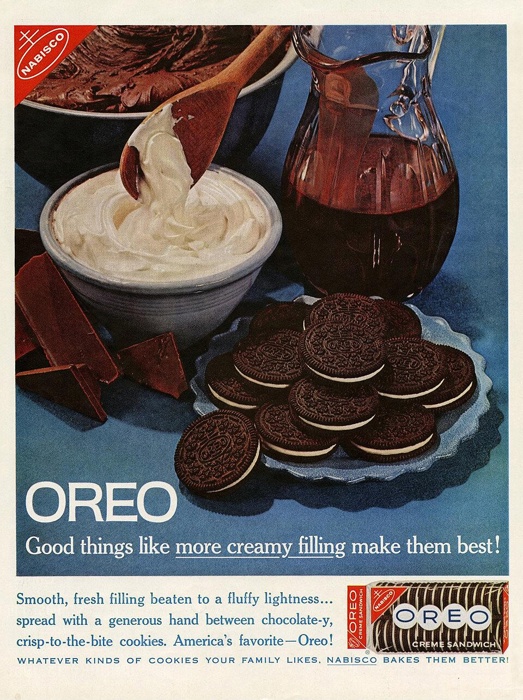
Few snack brands can claim a history spanning more than a century, but Oreo has remained remarkably consistent since its debut in 1912. Originally introduced by the National Biscuit Company, later known as Nabisco, the cookie quickly gained popularity for its distinctive chocolate wafers and sweet cream filling. Over time, it outlasted many competitors and became one of the world's best-known cookies, eventually expanding into more than 100 countries under Mondelēz International.
Longevity alone doesn't guarantee cultural significance. Oreo maintained its popularity by preserving the familiar experience people expected while adapting to changing tastes and markets. New flavors, seasonal releases, and regional variations kept the brand interesting without abandoning the classic cookie that generations had grown up with. That balance between consistency and innovation laid the foundation for Oreo's pop culture rise, helping the brand remain relevant even as consumer preferences changed.
Today, Oreo's history is part of its identity. Parents introduce the cookie to their children, grandparents remember enjoying it decades earlier, and new generations continue the tradition. That sense of continuity gives the brand a cultural presence that extends well beyond the grocery aisle, making Oreo feel like a familiar part of everyday life rather than simply another packaged snack.
Why Oreo Triggers Nostalgia More Than Any Other Snack Brand
Many foods bring back memories, but Oreo has a remarkable ability to connect people with specific moments from childhood. For countless families, eating an Oreo wasn't just about satisfying a sweet tooth—it was part of a routine. Opening a lunchbox to find a small pack of cookies, sharing them after school, or enjoying them with a glass of milk became experiences repeated so often that they became lasting memories.
The cookie's famous "twist, lick, and dunk" ritual also plays an important role in that nostalgia. Unlike many snacks that are simply eaten, Oreos encourage interaction. Some people separate the cookies to eat the cream first, while others dunk the entire cookie into milk before taking a bite. These small rituals become traditions passed from one generation to the next, turning an ordinary snack into a familiar family experience.
Visual and sensory cues strengthen that emotional connection. The embossed cookie design, the contrast between the dark wafers and white filling, the crisp snap when it's broken apart, and its instantly recognizable flavor all contribute to memories that remain vivid long after childhood. Rather than relying only on advertising, Oreo has built emotional loyalty through everyday experiences that millions of people continue to share.
Why Oreo Works Across Generations
One reason Oreo has remained culturally relevant for so long is its ability to appeal to people of all ages without dramatically changing what made it successful in the first place. Children enjoy the playful experience of twisting apart the cookies, teenagers encounter the brand through social media campaigns and limited-edition flavors, while adults often associate Oreos with childhood memories and family traditions. Few snack brands manage to connect with such a broad audience simultaneously.
This multigenerational appeal also makes Oreo a familiar presence during shared occasions. Whether it's packed into school lunches, served during holiday gatherings, or placed on the table during movie nights, the cookie fits naturally into moments where different generations come together. Grandparents, parents, and children may have discovered Oreo decades apart, yet they often share many of the same memories and rituals surrounding it.
Because the brand evolves alongside its audience, it never feels trapped in a single era. Classic cookies remain available for longtime fans, while new flavors, seasonal releases, and creative collaborations introduce Oreo to younger consumers. By respecting its heritage while continuing to innovate, the brand has managed to stay relevant without losing the familiarity that first made it iconic.
How Oreo Turned Limited-Edition Cookies Into Collectible Events
Oreo figured out something most snack brands never do — that scarcity turns a cookie into an event. When you see a limited-edition release, you're not just buying a snack — you're joining a moment. The BlackPink collaboration made this clear through limited gamification and fan collectibles:
- Pink cookies signaled exclusivity before you even opened the package
- Collectible cards gave you a reason to buy multiple packs
- Variant hunting turned shopping into a challenge worth sharing
- Fandom-driven packaging made the product feel personal, not mass-produced
Oreo doesn't just release flavors — it creates urgency. You feel the pressure to find every version before it disappears. That's not snack marketing. That's event design wrapped in a cookie.
The Pop Culture Collabs That Keep Oreo Relevant With Every Generation
One of Oreo's greatest strengths is its ability to partner with brands, franchises, and celebrities that already have passionate audiences. Instead of chasing every trend, the company carefully selects collaborations that naturally fit the interests of different generations. These partnerships allow Oreo to remain part of current conversations while introducing the brand to people who may not have considered it beyond a familiar snack.
Its collaborations have covered an impressive range of entertainment and pop culture. Special editions inspired by Game of Thrones, Pokémon, Batman, Disney properties, Android, and BlackPink each connected Oreo with established fan communities. Rather than simply placing a logo on a package, many of these campaigns featured custom cookie designs, themed packaging, or interactive experiences that encouraged fans to collect, share, and discuss the products online.
These collaborations work because they celebrate communities that already exist. Fans don't feel like they're being sold a cookie as much as they're being offered another way to engage with something they already love. By respecting those communities and creating products that feel connected to the moment, Oreo continues to stay relevant without abandoning the familiar identity that made the brand successful in the first place.
How Social Media Keeps Oreo in the Spotlight
Social media has given Oreo another powerful way to remain part of popular culture long after its products leave supermarket shelves. Platforms like Instagram, TikTok, Facebook, and X allow the brand to participate in conversations as they happen, responding to trends, celebrating holidays, and interacting directly with consumers. Instead of relying solely on traditional advertising campaigns, Oreo has embraced a more conversational approach that encourages people to share their own experiences with the brand.
User-generated content has become a major part of that strategy. Fans post creative dessert recipes using Oreos, build elaborate cookie-themed treats, compare limited-edition flavors, and share photos of newly released products. These posts often generate thousands of comments and shares, creating organic publicity that extends well beyond Oreo's own marketing channels. Every recipe video, taste test, or product review introduces the brand to another audience.
This constant online presence helps Oreo remain visible between major product launches. Rather than appearing only when a new flavor is released, the brand becomes part of everyday conversations through recipes, memes, challenges, and seasonal celebrations. By encouraging interaction instead of simply promoting products, Oreo has built an online community that keeps the cookie relevant in an increasingly fast-moving digital culture.
How "Dunk in the Dark" Rewrote the Rules of Snack Brand Marketing
One of Oreo's most famous marketing moments happened during the 2013 Super Bowl, when a power outage unexpectedly stopped the game for more than 30 minutes. While many brands waited for play to resume, Oreo's marketing team quickly created and posted a simple image showing an Oreo cookie in the dark with the caption, "You can still dunk in the dark." The post appeared within minutes of the blackout and immediately captured the attention of millions of viewers.
The campaign became a landmark example of real-time marketing because of its speed and simplicity. Oreo didn't rely on expensive production or a lengthy approval process. Instead, a small creative team was empowered to react immediately to a cultural moment that everyone was already discussing. The tweet spread rapidly across social media, earning enormous publicity without additional advertising costs and becoming one of the most widely studied examples of timely brand communication.
More importantly, the campaign demonstrated that successful marketing isn't always about having the biggest budget—it's about understanding the moment. "Dunk in the Dark" showed how a brand could participate naturally in a shared cultural experience instead of interrupting it with traditional advertising. More than a decade later, marketers still reference the campaign as an example of how creativity, preparation, and quick decision-making can produce lasting cultural impact.
Why Oreo's Strategy Has Made It a Permanent Pop Culture Fixture
Oreo's continued success isn't the result of a single advertising campaign or one popular product launch. Instead, it comes from consistently combining familiar traditions with fresh ideas. The classic twist, lick, and dunk ritual has remained unchanged for generations, while limited-edition flavors, themed packaging, and timely collaborations ensure the brand always has something new to offer. That balance allows Oreo to evolve without losing the qualities people have loved for decades.
The brand also understands that today's consumers want more than products—they want experiences. Collecting limited-edition cookies, sharing taste tests on social media, participating in online conversations, or recognizing a clever marketing campaign all turn a simple snack into something people actively engage with. Every campaign builds on the emotional connection established by earlier generations while giving new audiences their own reasons to participate.
Because Oreo consistently adapts to changing entertainment, technology, and consumer habits, it rarely feels outdated. Instead of following trends after they've peaked, the brand often joins cultural conversations while they're still unfolding. That ability to stay current without abandoning its heritage is what has transformed Oreo from a familiar cookie into a lasting symbol of modern pop culture.
What Other Snack Brands Can Learn From Oreo
Oreo's journey offers valuable lessons for other brands hoping to build long-term recognition. One of the biggest is the importance of maintaining a clear identity while continuing to innovate. Consumers appreciate consistency, but they also enjoy discovering something new. Oreo has shown that introducing fresh flavors, creative partnerships, and seasonal releases doesn't require abandoning the product that made the brand successful in the first place.
Another lesson is the value of storytelling. Rather than focusing exclusively on ingredients or product features, Oreo markets the experiences surrounding the cookie. Family traditions, childhood memories, movie nights, and shared celebrations all become part of the brand's message. This emotional approach creates stronger relationships with consumers than advertising based solely on taste or convenience.
Finally, Oreo demonstrates the importance of participating in culture instead of simply observing it. Whether through entertainment collaborations, social media engagement, or real-time marketing, the brand consistently finds authentic ways to join conversations people are already having. That approach helps Oreo remain recognizable across generations while encouraging customers to become active participants rather than passive consumers.
Conclusion
Oreo's transformation from a simple sandwich cookie into a global pop culture icon is the result of more than a century of thoughtful branding, consistent quality, and a willingness to evolve with changing audiences. From childhood rituals and family traditions to entertainment partnerships and viral marketing campaigns, the brand has continually found new ways to remain meaningful without losing the familiarity that made it popular in the first place.
Its success shows that the strongest brands don't simply sell products—they create lasting experiences that people want to revisit and share with others. By balancing nostalgia with innovation, embracing cultural moments, and connecting with audiences across multiple generations, Oreo has secured a place far beyond the cookie aisle. More than 100 years after its introduction, it remains a brand that people don't just recognize—they remember.