Food and Snack Trivia Questions for Foodies, Families, and Party Games

Food trivia has a way of bringing people together because everyone has something to contribute. Whether it's remembering a favorite childhood snack, identifying an international dish, or debating which fast food chain introduced a famous menu item, these questions often spark stories as much as they test knowledge. That's what makes food-themed quizzes a popular choice for family gatherings, classroom activities, birthday parties, and game nights.
The best food trivia mixes different levels of difficulty so everyone has a chance to participate. Younger players enjoy questions about familiar ingredients and everyday meals, while experienced home cooks and dedicated foodies appreciate challenges involving culinary traditions, cooking techniques, and food history. By combining easy, medium, and advanced rounds with a variety of categories, you can create a trivia game that's entertaining from start to finish.
Easy Food Trivia Questions for Kids and Families
Food is something children encounter every day, making it one of the easiest trivia categories for family-friendly games. Questions about fruits, vegetables, desserts, and favorite snacks help younger players feel included because they're based on familiar foods rather than specialized knowledge. Keeping the questions simple also encourages participation from players of different ages, allowing everyone to answer with confidence.
Instead of focusing on obscure ingredients, build your opening round around everyday meals and recognizable foods. Kids enjoy guessing colorful fruits, identifying breakfast favorites, or remembering where common ingredients come from. Parents and grandparents can join in without the game becoming overly competitive, creating conversations that often lead to funny family stories about favorite meals or recipes.
Here are a few easy questions to get started:
- What sweet food do bees make? Honey.
- Which fruit is famous for having its seeds on the outside? Strawberry.
- What vegetable is usually used to make French fries? Potato.
- What dairy product is commonly added to pizza? Cheese.
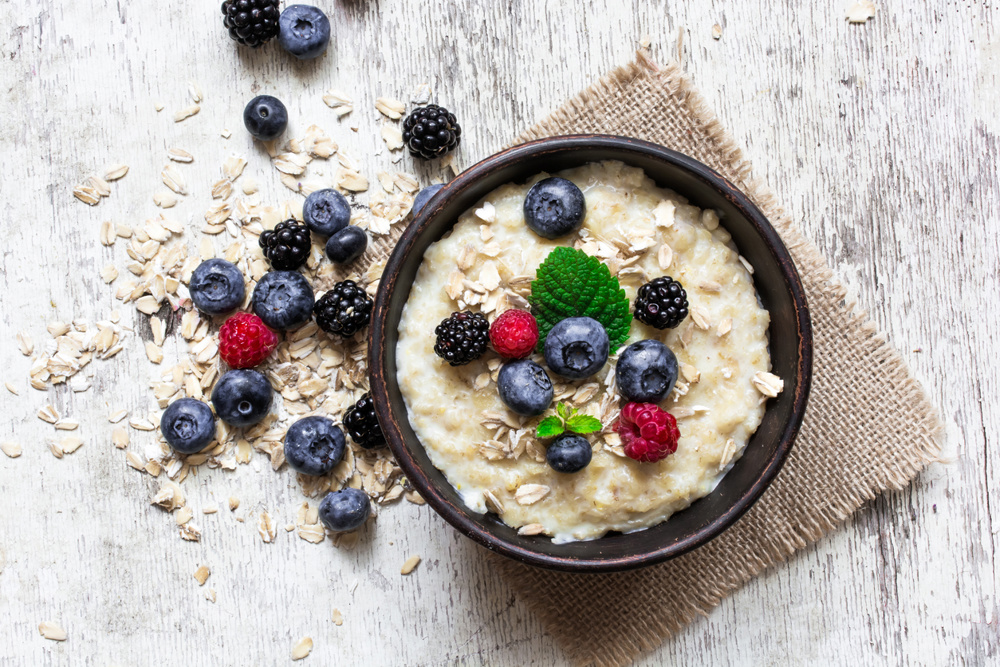
- What breakfast food is made from oats and often served with fruit? Oatmeal.
- Which yellow fruit do monkeys often appear with in cartoons? Banana.
Simple rounds like these help players settle into the game before introducing more challenging categories. They also give younger participants an opportunity to score points early, making the rest of the trivia night more enjoyable for everyone.
Medium Food Trivia Questions for Mixed Groups
Once everyone is comfortable with the format, medium-difficulty questions add variety without becoming intimidating. These rounds reward everyday knowledge gained from cooking, traveling, dining out, or watching food-related television shows. Most players will recognize the topics, but they'll still need to think before answering, making discussions much more lively.
International cuisine is an excellent place to begin because many dishes have become household favorites around the world. Seasonal ingredients, cooking methods, and recognizable food brands also provide plenty of material for balanced questions. Instead of relying on obscure culinary facts, medium rounds should challenge players to connect information they've likely encountered in everyday life.
Try mixing questions like these:
- Which country is famous for paella? Spain.
- What ingredient gives pesto its green color? Basil.
- Which citrus fruit is traditionally used to make lemonade? Lemon.
- What grain is used to make risotto? Arborio rice.
- Which spice is commonly associated with pumpkin pie? Cinnamon.
- What cooking method uses steam instead of direct contact with water? Steaming.
Because the questions are familiar but not obvious, players often start discussing possible answers before making a final choice. That balance between confidence and uncertainty keeps the game moving while encouraging everyone to participate.
Hard Food Trivia Questions for Serious Foodies
Advanced food trivia is designed for players who enjoy cooking, exploring international cuisines, or learning about the history and science behind what they eat. Rather than asking about everyday ingredients, these questions explore culinary traditions, specialty products, fermentation, and regional cooking techniques. They reward curiosity as much as experience, making them ideal for the final rounds of a competitive game.
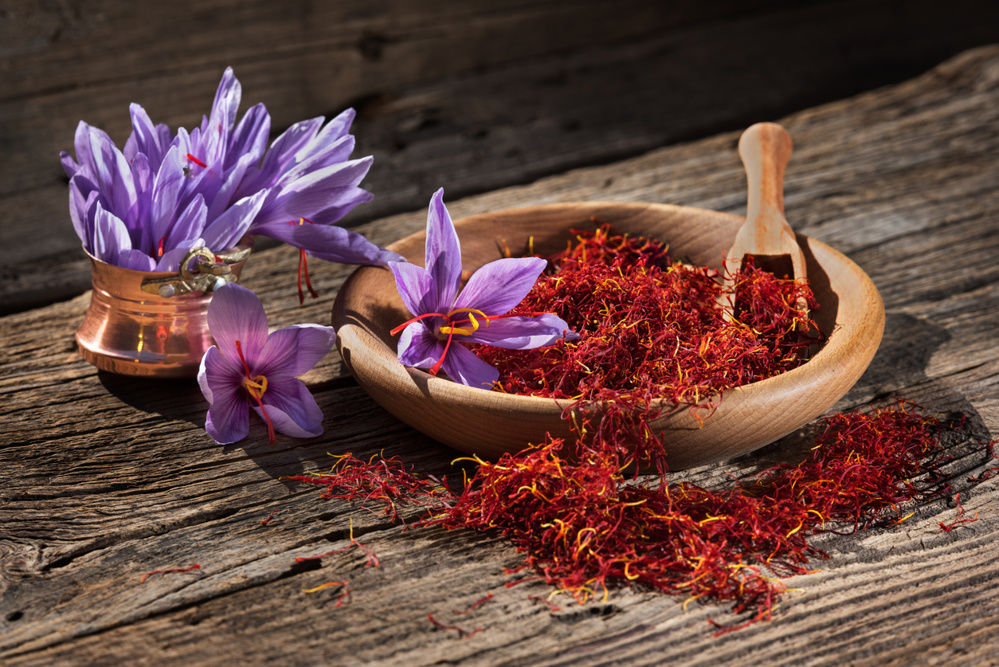
Food history and science also make advanced questions more interesting because they explain why certain ingredients or dishes became famous. Learning that saffron comes from the delicate stigmas of the crocus flower or discovering how fermentation transforms simple ingredients into foods like kimchi and cheese adds context beyond memorizing facts. Even players who miss the answer often come away having learned something new.
Challenge experienced food lovers with questions such as:
- Which spice is considered one of the world's most expensive by weight? Saffron.
- What microorganism is primarily responsible for bread dough rising? Yeast.
- Which country produces the largest amount of coffee in the world? Brazil.
- What fermented soybean product is commonly used in Japanese cuisine? Miso.
- Which vitamin is especially abundant in citrus fruits? Vitamin C.
- What is the French cooking term for preparing ingredients before cooking? Mise en place.
Harder questions shouldn't overwhelm the group, but they should provide a satisfying challenge for players who enjoy testing the limits of their culinary knowledge. Saving these for later rounds creates a natural progression and gives everyone something to look forward to.
International Food Trivia Questions by Cuisine
Exploring world cuisines is one of the best ways to expand a food trivia game because it introduces players to traditions, ingredients, and cooking methods from different cultures. Some questions are easy enough for anyone who's eaten at an international restaurant, while others encourage players to think about regional specialties and the history behind famous dishes. This variety makes international rounds both educational and entertaining.
Rather than focusing only on where a dish comes from, include questions about signature ingredients, cooking styles, and cultural traditions. Players may recognize sushi or tacos immediately, but they might have to think harder about which spice defines a curry or what makes a particular pasta dish unique. Mixing familiar foods with lesser-known specialties keeps everyone engaged without making the round feel overwhelming.
Here are a few international food trivia questions:
- What country is credited with the origin of sushi? Japan.
- What is the main ingredient in traditional hummus? Chickpeas.
- Which country is famous for paella? Spain.
- What spice gives many Indian curries their bright yellow color? Turmeric.
- Which Italian city gave its name to a famous meat sauce? Bologna.
- What flatbread is commonly served with Indian cuisine? Naan.
International cuisine reminds players that food tells stories about geography, culture, and tradition. Every answer offers an opportunity to learn something new while appreciating the diversity of dishes enjoyed around the world.
Dessert and Candy Trivia Questions
Desserts and candy are favorites at nearly every gathering, making them a natural addition to any food trivia game. Questions about chocolate, cookies, ice cream, and famous sweets are familiar enough for casual players while still leaving room for surprising facts. Because desserts often carry nostalgic memories, this category also encourages conversations about favorite childhood treats and family traditions.
You can build this round around classic desserts, popular candy brands, baking ingredients, or sweets from different countries. Mixing easy recognition questions with a few historical facts creates a balanced category that appeals to both children and adults. It's also a great opportunity to include seasonal treats that players associate with holidays and celebrations.
Try these dessert-themed questions:
- What flavor is traditional red velvet cake most commonly paired with? Cream cheese frosting.
- Which candy is known for its colorful shell and chocolate center? M&M's.
- What frozen dessert is traditionally served in a cone or bowl? Ice cream.
- Which ingredient gives caramel its rich golden color? Cooked sugar.
- What cookie is traditionally twisted apart before being eaten by many fans? Oreo.
- Which dessert is made by baking apples beneath a pastry crust or topping? Apple pie.
Dessert rounds provide a lighter change of pace after more challenging categories. Even when players don't know every answer, they're usually eager to share stories about favorite sweets or recipes they've enjoyed over the years.
Food History Trivia Questions
Many of today's favorite foods have fascinating histories that stretch back hundreds—or even thousands—of years. Learning where a dish originated or how an ingredient became popular adds another layer to food trivia, turning simple questions into conversations about exploration, trade, and cultural exchange. History-themed rounds work especially well for players who enjoy learning alongside competing.
Rather than focusing only on dates, ask about the origins of familiar foods, famous inventors, or culinary traditions that continue today. Questions about coffee, chocolate, sandwiches, and pizza often surprise players because the real stories behind these foods are more interesting than many people expect. Historical trivia also encourages discussion, as people compare what they thought they knew with the actual answers.
Challenge your players with questions like these:
- Which country is widely recognized as the birthplace of pizza? Italy.
- What hot beverage originated in ancient China? Tea.
- Who is the sandwich named after? The Earl of Sandwich.
- What bean is used to make chocolate? Cacao.
- Which civilization is credited with cultivating maize, or corn, thousands of years ago? The Maya and other ancient Mesoamerican cultures.
- Which beverage became popular in European coffeehouses during the 17th century? Coffee.
Food history demonstrates that every meal has a story. From ancient farming traditions to modern inventions, these questions help players appreciate how recipes and ingredients have traveled across cultures and generations.
Surprising Food Facts Worth Turning Into Trivia
Some of the most memorable trivia questions come from facts that sound unbelievable at first. These surprising discoveries often spark curiosity because they challenge common assumptions about familiar foods. Whether they're rooted in botany, chemistry, or culinary traditions, unusual facts encourage players to pause before answering and often become the questions people remember long after the game ends.
Scientific explanations can make these facts even more interesting. Learning why strawberries keep their seeds on the outside or understanding how saffron is harvested gives players more than a simple answer—it provides context that makes the information easier to remember. A mix of surprising science and everyday foods creates a well-rounded trivia category that appeals to a wide audience.
Here are a few facts that work well as trivia questions:
- True or False: Strawberries have their seeds on the outside. True.
- What flower does saffron come from? The crocus flower.
- Which grocery item has often been reported as one of the world's most commonly stolen foods? Cheese.
- True or False: Honey can last for years without spoiling when stored properly. True.
- What fruit floats on water because it's about 25% air? Apples.
- Which nut is actually the seed of a fruit rather than a true botanical nut? Cashew.
Unexpected facts naturally lead to follow-up discussions as players ask "Why?" or "How?" That curiosity keeps the game feeling fresh while giving everyone a chance to learn something they probably wouldn't have encountered in everyday conversation.
Food Trivia Night Formats, Teams, and Scoring Rules
A successful food trivia night depends on more than just having good questions. Organizing the event with clear rules and a balanced structure helps everyone stay engaged from the opening round to the final score. Whether you're hosting a family gathering, a classroom activity, or simply looking to turn snack night into a trivia game, adding a variety of food-themed questions makes the experience even more interactive and memorable.
A format of four to six rounds with eight to ten questions per round works well for most groups. Start with easier categories to build confidence, then gradually increase the difficulty by introducing international cuisine, food history, or advanced culinary knowledge. Giving players 15 to 30 seconds to answer each question keeps the game moving while allowing enough time for discussion without slowing the pace.
Scoring can be as simple or creative as you like. Award one point for each correct answer, include bonus questions between rounds, or allow opposing teams to "steal" unanswered questions for extra points. Displaying scores on a whiteboard or screen adds excitement throughout the game, while small food-themed prizes such as chocolate, gourmet snacks, cookbooks, or restaurant gift cards give everyone something fun to compete for.
Conclusion
Food trivia is popular because it combines something everyone enjoys—good food—with the excitement of friendly competition. From simple questions about everyday ingredients to challenging rounds on international cuisine, culinary history, and famous food brands, there's a category for every age group and skill level.
Mixing easy, medium, and difficult questions helps keep everyone involved while introducing new facts that players can remember long after the game is over. The most memorable trivia nights also balance familiar favorites with unexpected discoveries.