Best San Antonio Snacks and Local Foods with Cultural Roots
San Antonio’s snack culture is shaped by Indigenous, Spanish, Mexican, German, African American, and global immigrant foodways. From puffy tacos and tamales to German deli favorites, pan dulce, barbecue bites, and international market snacks, the city’s casual foods tell the story of generations of cooks, vendors, and neighborhoods. San Antonio is also recognized as a UNESCO Creative City of Gastronomy, a designation it received in 2017 for its deep culinary heritage and food traditions. Today, visitors can taste that history in taquerias, panaderías, historic restaurants, food markets, barbecue spots, and cultural districts across the city.
What Makes San Antonio Snacks Unique
San Antonio’s food identity developed from many overlapping traditions. Indigenous communities used local ingredients such as mesquite, pecans, cactus, game, and native plants long before Spanish colonization. Spanish settlers later introduced livestock, wheat, spices, and European cooking methods, while Mexican and Tejano families preserved recipes through tamales, tortillas, chile-based dishes, pan dulce, and street food. German immigrants also shaped the city’s food culture through bakeries, sausages, beer halls, delis, and Old World comfort foods. African American cooks and pitmasters contributed slow-smoked meats, Southern sides, and community-centered barbecue traditions. More recent immigrant communities continue expanding the city’s snack scene through Middle Eastern, North African, Asian, Caribbean, and South American flavors. This blend is what makes San Antonio snacks feel distinct. A single food stop might include handmade tortillas, brisket tacos, German root beer, pan dulce, barbacoa, aguas frescas, or international grocery snacks within the same day of exploring.
Chili Queens, Chili Con Carne, and Tex-Mex Snack Culture
View this post on Instagram
San Antonio’s Chili Queens helped define the city’s early street food scene in the late 1800s and early 1900s. These Mexican American women served chili con carne, tamales, enchiladas, beans, and coffee in public plazas, creating lively outdoor food gatherings that drew locals, travelers, soldiers, and businesspeople. Chili con carne became one of San Antonio’s most famous food exports because it combined local chile traditions with beef, spices, and plaza-style public dining. Over time, that same Tex-Mex foundation shaped many of the city’s best-known snacks, including chili bowls, enchiladas, crispy tacos, bean-and-cheese tacos, nachos, and puffy tacos. For a classic San Antonio snack, Ray’s Drive Inn on the West Side remains closely associated with the puffy taco. The restaurant has served puffy tacos since the 1950s and received a trademark for “Puffy Taco” in 1992.
Tamales, Tortillas, Pan Dulce, and Market Snacks
View this post on Instagram
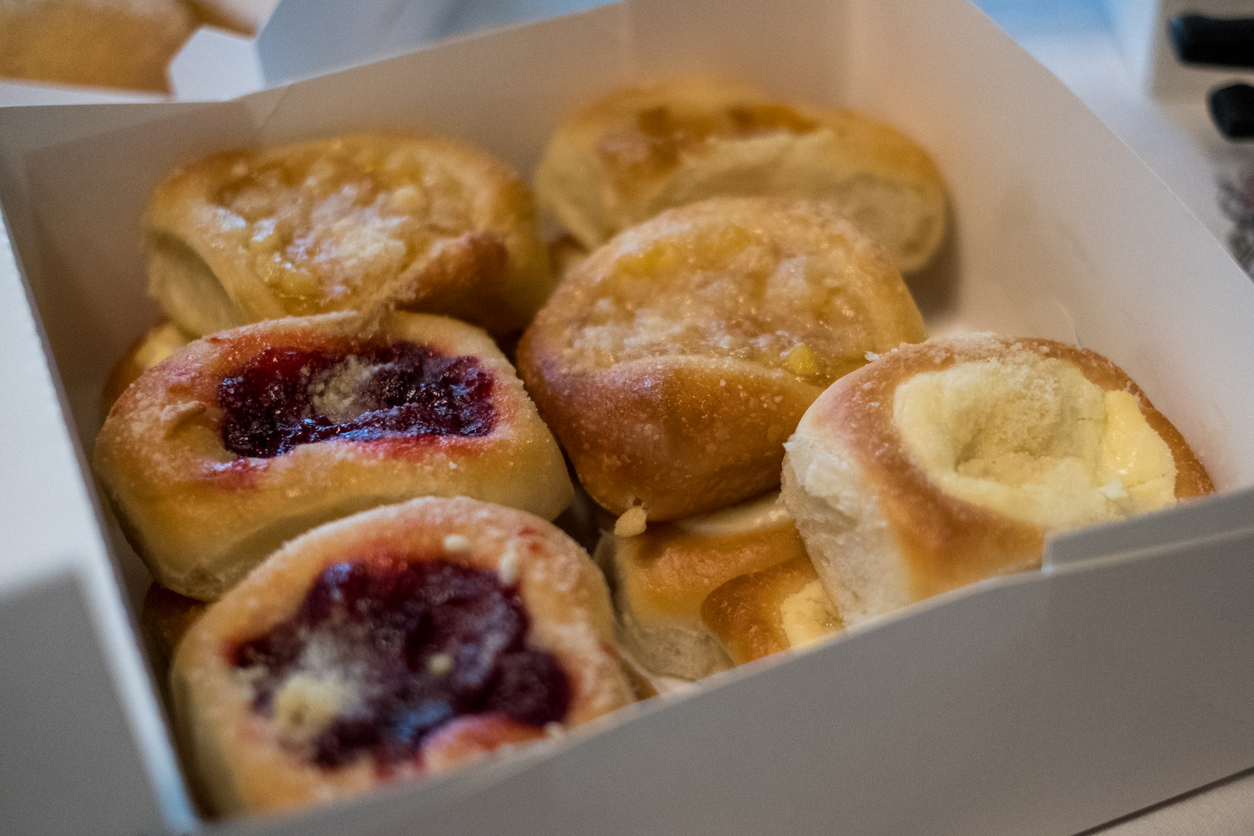
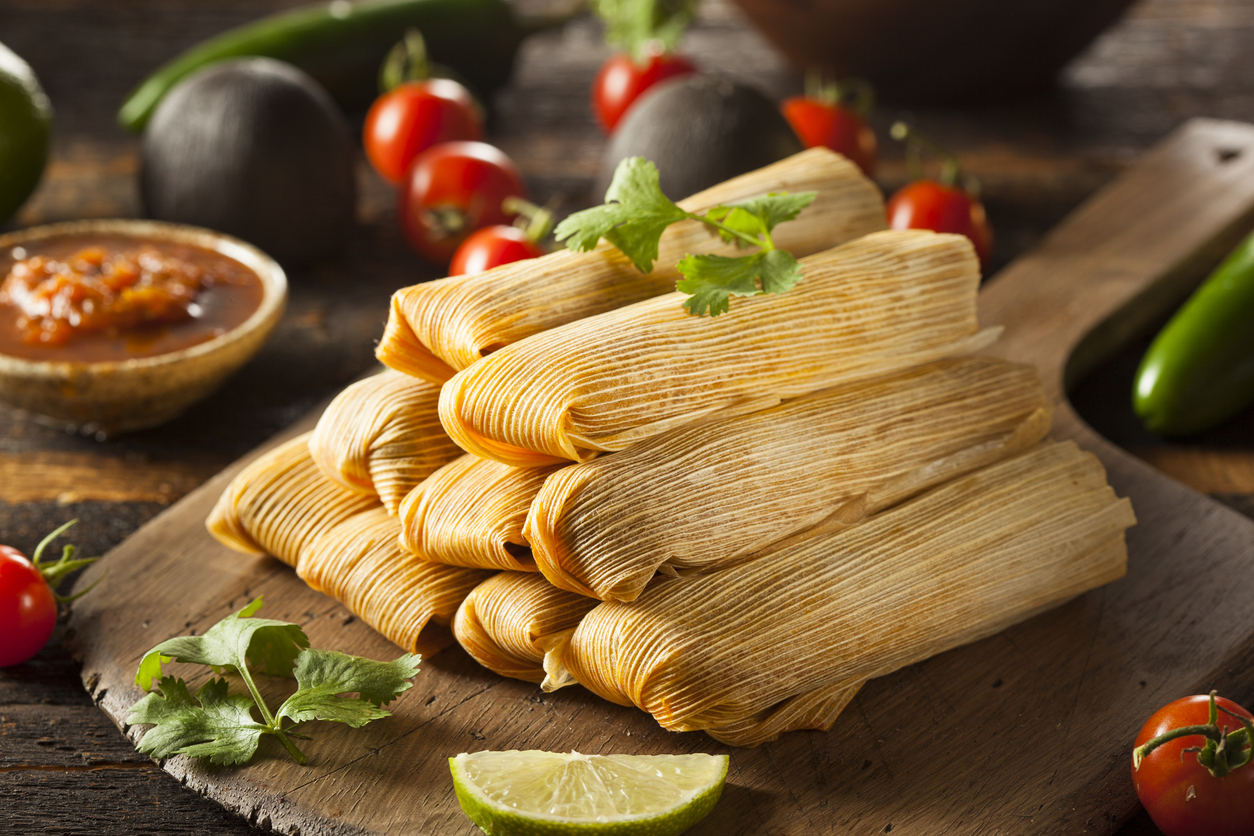
San Antonio’s Mexican and Tejano food traditions are especially visible in its tamales, handmade tortillas, pan dulce, and market snacks. These foods are everyday staples, but they also carry strong ties to family gatherings, holidays, weekend breakfasts, and neighborhood food culture. Tamales remain one of the city’s most important traditional foods. They are often made with masa, seasoned fillings, and softened corn husks before being steamed until the masa pulls cleanly from the husk. Pork, chicken, bean, cheese, and chile-based fillings are common, especially during the holiday season. Fresh tortillas are just as central to San Antonio’s snack culture. A warm flour tortilla can become a breakfast taco, a bean-and-cheese snack, or a simple comfort food on its own. Local panaderías add another layer with conchas, empanadas, puerquitos, marranitos, orejas, and other sweet breads. Good places to explore this side of the city include traditional taquerias, neighborhood panaderías, Historic Market Square, and long-running Mexican restaurants across the West Side, South Side, and downtown.
Indigenous Ingredients: Mesquite, Cactus, and Native Texas Flavors
San Antonio’s oldest food traditions are rooted in the ingredients that Indigenous communities knew long before the city existed. Mesquite pods, cactus pads, prickly pear fruit, pecans, native plants, and wild game all played roles in regional foodways. Mesquite is especially important because its pods can be ground into a naturally sweet flour. Historically, mesquite could be used for cakes, drinks, and other nourishing foods. Today, chefs and home cooks sometimes use mesquite flour or powder in baked goods, drinks, sauces, and desserts to bring a subtle earthy sweetness. Cactus also remains part of South Texas cooking. Nopales appear in tacos, salads, egg dishes, and side plates, while prickly pear is often used in syrups, drinks, candies, and seasonal specials. These ingredients help connect modern San Antonio snacks to the region’s landscape, not just its restaurants.
German-Inspired Snacks: Schilo’s, Pretzels, Sausages, and Root Beer
View this post on Instagram
San Antonio’s German influence is still easy to taste downtown, especially at Schilo’s, one of the city’s oldest restaurants. Schilo’s has served German and German-Texan food in San Antonio since 1917 and is known for dishes such as split pea soup, sausage plates, sandwiches, potato salad, and its house-made root beer. German-style snacks in San Antonio often include pretzels, sausages, rye bread, mustard, sauerkraut, and deli-style sides. These foods reflect the influence of German immigrants who settled in San Antonio and nearby Hill Country towns. Visitors can also find German and beer-hall-style flavors during Oktoberfest events, at German cultural organizations, and at restaurants inspired by Central Texas and Hill Country food traditions.
Barbecue, Brisket Bites, and East Side Food Traditions
View this post on Instagram
San Antonio’s snack culture also includes barbecue and soul food traditions, particularly through smoked meats, sausage links, ribs, brisket tacos, chopped barbecue sandwiches, and Southern-style sides. African American cooks and pitmasters have long influenced Texas barbecue through smoking techniques, seasoning knowledge, and community-centered food service. On San Antonio’s East Side and across the city, barbecue remains tied to gatherings, family recipes, church events, neighborhood restaurants, and local celebrations. Snack-friendly barbecue options include brisket tacos, sausage wraps, rib tips, smoked wings, chopped brisket sandwiches, and loaded barbecue potatoes. These foods work well for casual meals because they are filling, portable, and deeply connected to Texas food culture.
Global Snacks in the Silk Road Cultural Heritage District
View this post on Instagram
San Antonio’s snack scene is not limited to older regional traditions. The Silk Road Cultural Heritage District, established in 2024, celebrates the global food communities along the Wurzbach corridor, including influences from the Middle East, North Africa, and several regions of Asia. International Plaza and Ali Baba International Food Market are major anchors in the district. Ali Baba opened in 1999 and has become a local destination for international ingredients, baked pita, olives, spices, sweets, snacks, and pantry items from many cultures. Visitors exploring this area can find foods such as Lebanese flatbreads, Middle Eastern pastries, Indian snack mixes, Persian treats, Mediterranean dips, Asian groceries, and specialty sweets. This part of San Antonio shows how the city’s food identity continues to grow through newer immigrant communities.
Best Places to Find San Antonio Snacks Today
San Antonio has many places to explore its snack culture, from historic restaurants to neighborhood taquerias and food markets. For puffy tacos, Ray’s Drive Inn remains one of the city’s most iconic stops. For German-Texan comfort food and root beer, Schilo’s is a classic downtown choice. For Mexican market flavors, Historic Market Square offers restaurants, sweets, snacks, and festive foods tied to San Antonio’s cultural identity. Other worthwhile snack stops include traditional panaderías, taco shops, barbecue restaurants, paleta shops, raspas stands, and international markets along Wurzbach Road. Visitors can also look for food festivals, farmers markets, and cultural celebrations that highlight tamales, pan dulce, aguas frescas, barbecue, and global street foods.
San Antonio Food Tours and Markets Worth Visiting
Food tours and markets can help visitors sample several traditions in one trip. Downtown tours often focus on Tex-Mex, historic restaurants, River Walk dining, and the city’s Chili Queens legacy. Historic Market Square is useful for travelers who want a colorful, walkable introduction to Mexican and Tejano food culture. The Silk Road Cultural Heritage District is better for visitors who want international grocery snacks, Mediterranean flavors, Asian ingredients, and immigrant-owned food businesses. Farmers markets and community food events also help connect visitors with local makers, bakers, and small food vendors. These stops can be especially useful for finding seasonal snacks, handmade sweets, locally roasted coffee, sauces, jams, and baked goods.
Conclusion
San Antonio snacks reflect the city’s layered history and living food culture. Puffy tacos, tamales, tortillas, German deli foods, barbecue bites, pan dulce, mesquite flavors, and international market snacks all help tell the story of the people who shaped the city. Whether you are visiting Ray’s Drive Inn for a puffy taco, stopping by Schilo’s for root beer and German-Texan comfort food, exploring Historic Market Square, or browsing Ali Baba International Food Market in the Silk Road Cultural Heritage District, San Antonio offers plenty of casual foods with deep cultural roots.